 Coco's Nest
Getting around 5 min readChecked September 2026
Renting a scooter in Goa: licence, helmet and plate checks
A scooter is the honest answer to getting around Goa, but renting badly is a well-worn way to lose money. Five minutes of checking at the door saves the two arguments that ruin the end of a trip: the deposit and the dent.
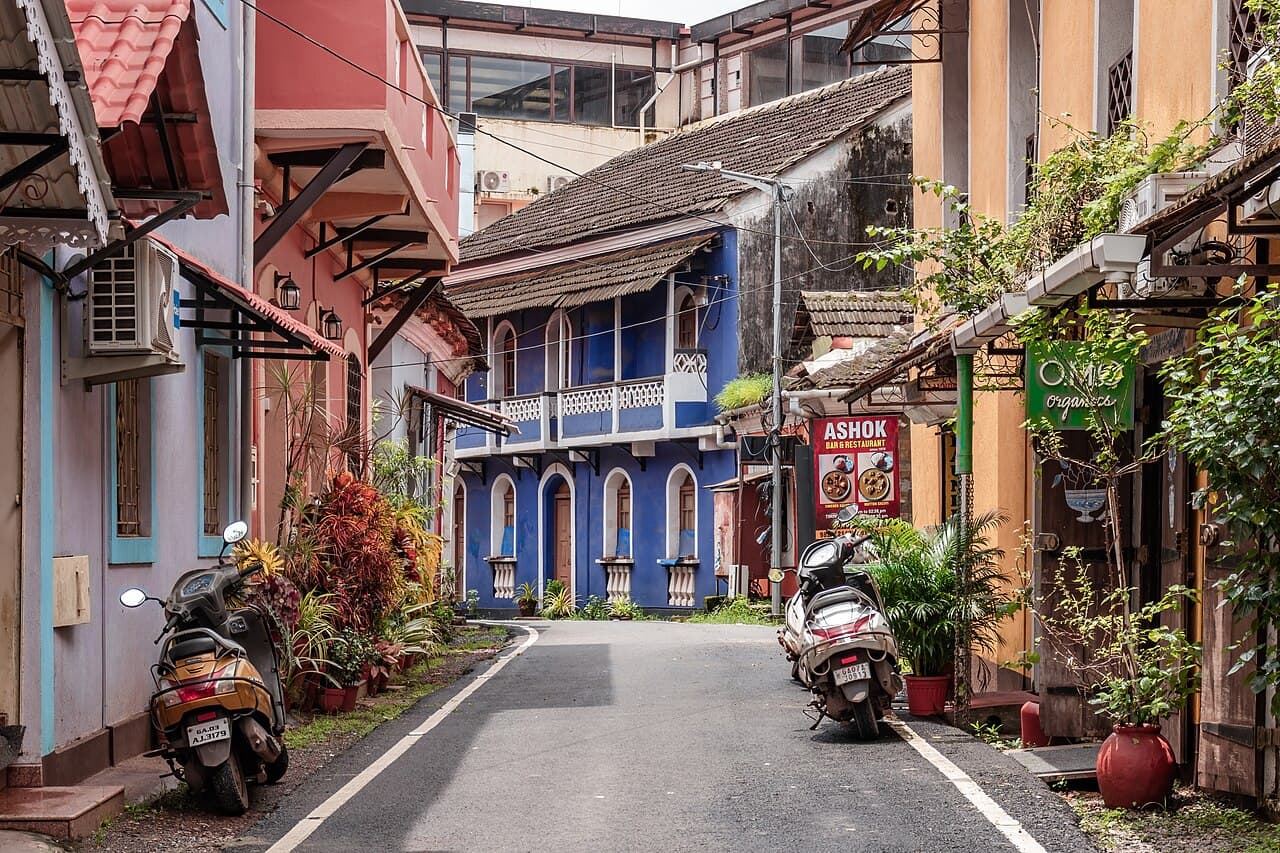
Taxis in Goa are expensive and the buses are slow, and most of what is worth seeing is fifteen minutes down a lane. A scooter gets you to the beach in the morning, to lunch in the next village and to the ferry for Divar in the afternoon. Most visitors rent a gearless scooter such as a Honda Activa, which is simple to ride if you have ridden one before.
If you have not ridden a scooter before, Goa in December is not the place to learn. Traffic is heavy around Calangute and Candolim, lanes are narrow and unlit, and dogs and cattle wander onto the road. Take taxis for the first few days, or ride only on quiet village roads in daylight until it feels natural.
Check the number plate before anything else. A two-wheeler that may legally be rented to you in Goa carries a black-on-yellow commercial plate. A white private plate means the rental is not licensed, and the police can stop and seize it with you on it.
The licence you need
Carry a licence that actually covers a two-wheeler. Indian riders need a valid driving licence with the motorcycle or scooter category on it; a licence for a car alone does not cover you. Carry it with you every time you ride.
Visitors from abroad need their home licence with the motorcycle category, plus an International Driving Permit issued in their home country before they travel. An IDP cannot be issued to you in India, since Indian transport offices issue them only to residents with an Indian licence. UK government travel advice says British visitors need their UK licence and the 1949 convention IDP, and the permit is only valid alongside the licence itself, never on its own.
Police checks near Calangute, Candolim and on the main roads are routine. A fine is the smallest of the possible consequences of riding without the right licence: an accident without one can leave you personally responsible for every cost involved.
Helmets: rider and pillion both
Wear a helmet, rider and passenger both. Under the Motor Vehicles Act a helmet is compulsory for the pillion as well as the rider, and in January 2026 the Chief Minister said a transport department circular had made this explicit in Goa. It is actively enforced: Goa traffic police referred 8,671 riders for licence suspension for not wearing a helmet in the first six months of 2026 alone, more than any other offence.
Rental operators are required to provide ISI-marked helmets. If you are riding two-up, ask for two at the counter and check they fit and fasten; the one hanging on the handlebar usually does not. A helmet that sits loose or has a broken strap will not protect you and will not satisfy a police check either.
“It will make a lot of difference in road safety if people change their behaviour towards helmet use.”
Why the yellow plate matters
Licensed rent-a-bike operators in Goa are allowed to hire out yellow-plated vehicles to tourists. Private owners are not allowed to rent out their own white-plated scooters, and the transport department and traffic police run joint drives against it. When a private rental is stopped, the vehicle can be detained and fined, and the tourist on it pays the price in time and money, often with an owner who stops answering the phone.
So if you are offered a cheaper scooter with a white plate by someone with no shop, walk away. The saving is not worth the risk of losing the rest of your day at a police station.
“Renting private vehicles to tourists is in violation of the Motor Vehicles Act. Such vehicles will be targeted during the drive,”
The five-minute check at the door
Before you take the keys, go through the scooter as the rental will when you bring it back. The five checks worth doing every time are numbered at the end of this guide: the plate, photographs from all four sides, the brakes and lights, the helmets, and the deposit in writing. None of them take long, and together they settle almost every dispute before it starts.
Agree on what happens if it breaks down. A good rental will come to you, or send someone. Ask for the number of the person who actually answers the phone, and save it before you ride off.
When you bring the scooter back, do the same in reverse. Return it at the agreed time with the fuel at the level you received it, take a fresh set of photos in front of the rental, and wait while they inspect it. If there is a disagreement, your photos from the first day settle it. Ask for the deposit back there and then, or a written note of when it will be returned, before you hand over the keys.
Riding safely in Goa
Most scooter accidents involving visitors are not dramatic. They are a slide on sand at a bend near the beach, a pothole after rain, a dog running out, or a tired ride home in the dark. UK government advice for India warns against driving at night because of low visibility and wandering livestock, and in Goa that is sound advice for scooters in particular.
- Ride in daylight where you can, and slowly on unlit village lanes.
- Slow right down for sand on the road near beaches and on corners.
- Do not ride after drinking. Drink-driving was the second most common reason Goa traffic police referred licences for suspension in early 2026.
- Carry only one passenger. Excess pillion riders are a separate offence.
- In the monsoon, avoid riding in heavy rain; roads flood and visibility drops quickly.
- Keep your phone charged and a map downloaded, since signal can be patchy inland.
For longer rides, such as a day trip south to Palolem or inland, a heavier motorcycle such as a Royal Enfield Classic 350 is more comfortable, but only if you are an experienced rider with the right licence. A local SIM with data makes navigation and calling the rental much easier.
If your host arranges the scooter
If your host arranges the scooter for you, all of this is easier. The deposit, the condition and the terms are set out before you ask, the plate is the right colour, and there is someone accountable on both ends of it. At Coco's Nest we can have a Honda Activa waiting when you arrive, with helmets.
Whoever you rent from, the checks above still apply. Photograph the scooter, test the brakes and keep the papers with you. Our guide to what to ask your host before you arrive covers parking, which matters more than people expect in villages where lanes are narrow.
- 1
Look at the number plate
Black lettering on a yellow plate means a commercial rental vehicle. A white plate means a private vehicle that should not be rented out.
Good to know
If the plate is white, do not take it, however good the price.
- 2
Photograph all four sides
Take photos or a short video from every side with the timestamp on, including every existing scratch, dent and crack, and the fuel gauge and odometer.
Good to know
Send the photos to the rental on the spot, so both of you have the same record.
- 3
Test the brakes, lights and horn
Check that both brakes bite firmly, the horn works, both indicators blink, the headlight comes on and the tyres are not bald. These are what will be inspected when you return it.
Good to know
Ride it up and down the lane before you leave, not just around the forecourt.
- 4
Check the helmets
One helmet per person, ISI-marked, fitting snugly with a working strap.
Good to know
Ask for a second helmet at the counter if you are riding two-up.
- 5
Confirm the deposit and papers in writing
Get a message or receipt that states the deposit, what would reduce it, the return time and the fuel level. Check that the registration and insurance papers are in the seat compartment.
Good to know
A WhatsApp message is enough, as long as it is written down.
Frequently asked questions
Do I need an International Driving Permit to ride a scooter in Goa?
If you are visiting from abroad, yes. You need your home driving licence with the motorcycle category and an International Driving Permit issued in your home country before you travel. The IDP is not valid on its own, so carry both. UK visitors need the 1949 convention IDP.
Can I ride a scooter in Goa with a car licence?
No. A licence that only covers cars does not cover a two-wheeler, in India or on an international permit. You need the motorcycle or scooter category on your licence.
Is a helmet compulsory for the pillion passenger in Goa?
Yes. The Motor Vehicles Act requires a helmet for both the rider and the pillion, Goa's transport department has issued a circular confirming it, and police enforce it with fines and referrals for licence suspension.
What does a yellow number plate mean on a rental scooter?
A black-on-yellow plate marks a commercial vehicle, which licensed operators in Goa are allowed to rent to tourists. A white plate is a private vehicle, and renting one out is illegal. It can be detained by the police, leaving you stranded.
Is it safe to ride a scooter in Goa?
It is safe enough for experienced riders who wear a helmet, avoid riding at night and never ride after drinking. It is not a good place to learn. Sand on corners, potholes, wandering animals and heavy traffic around Calangute catch out inexperienced riders every season.
The Cocosnest team · facts checked September 2026. Timings, fees and venues change without notice, so confirm before a long drive. Sources: The Goan: Govt pulls brakes on those hiring private vehicles (October 2022), Prudent Media: Helmets mandatory for rider and pillion, says CM (January 2026), The Goan: Pillion riders will have to wear helmets; police to launch crackdown (April 2023), The Navhind Times: 11.7k driving licences referred for suspension in six months (2026), mParivahan (Ministry of Road Transport and Highways): International Driving Permit, GOV.UK: India travel advice, safety and security.
Places in this guide
Reviews & comments
No comments yet. Be the first.
Reviews open soon.