 Coco's Nest
Planning 5 min readChecked September 2026
North Goa or South Goa? How to choose the right half
North Goa and South Goa are two different holidays about three hours apart in traffic. Picking the wrong one is the most common way to be disappointed by Goa.
Most first-time visitors should stay in the north and give the south two nights rather than a day trip. Driving down and back in one day costs you the best hours of both.
The drive is longer than the map suggests
Goa is small on a map and much larger in practice. The drive from Arambol in the far north to Palolem in the south is around three hours in traffic, on roads that pass through towns, markets and village centres rather than round them. So where you sleep decides most of what you will actually do. A place that looks "only an hour away" is one you will visit once, if at all.
It helps to think of Goa as three parts rather than two. The north coast runs from Candolim up to Arambol. The middle is Panjim, Old Goa and the river islands, which is where most of the history is. The south coast runs from Colva and Benaulim down to Palolem and beyond. Our guide to where to stay in Goa goes through each area in detail; this article is about the bigger choice that comes first.
North Goa: busy, and where the eating is
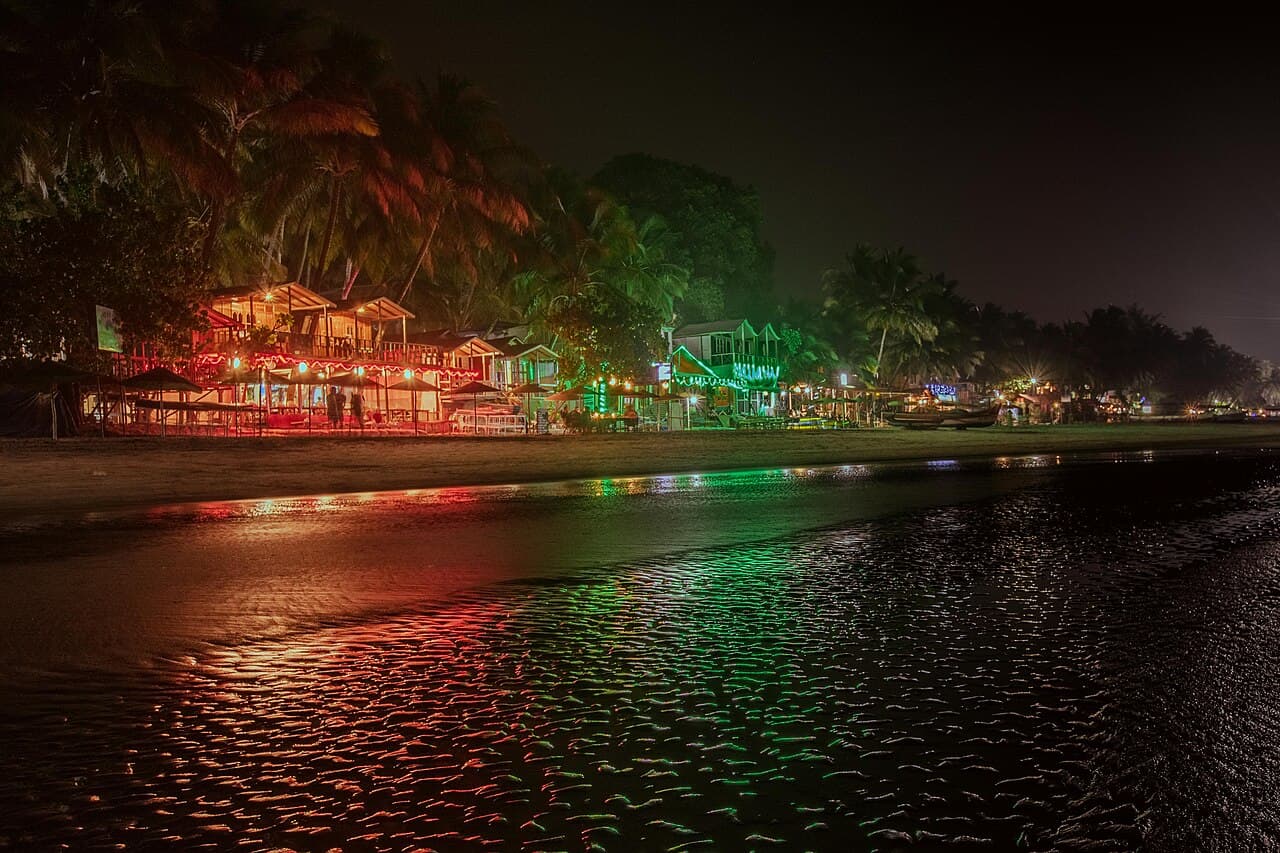
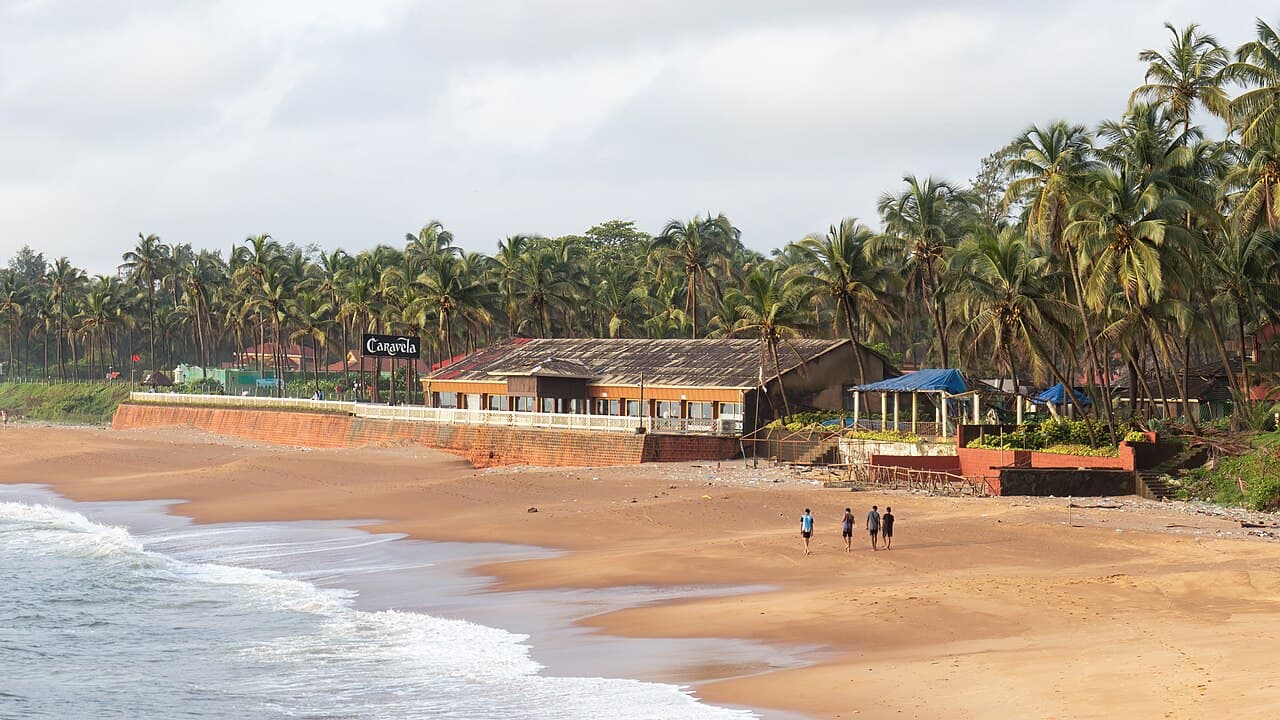
North Goa is Candolim, Calangute, Baga, Anjuna, Vagator, Assagao and, further up, Morjim, Mandrem and Arambol. It is where the crowds, the markets, the music and nearly all the restaurants people travel for are. Anjuna has its Wednesday flea market in season, Assagao has become the place for long dinners in old houses, and the late-night venues are spread between Baga and Vagator. If you want to eat somewhere different every night, see our list of restaurants to try in Goa, and most of them are in the north.
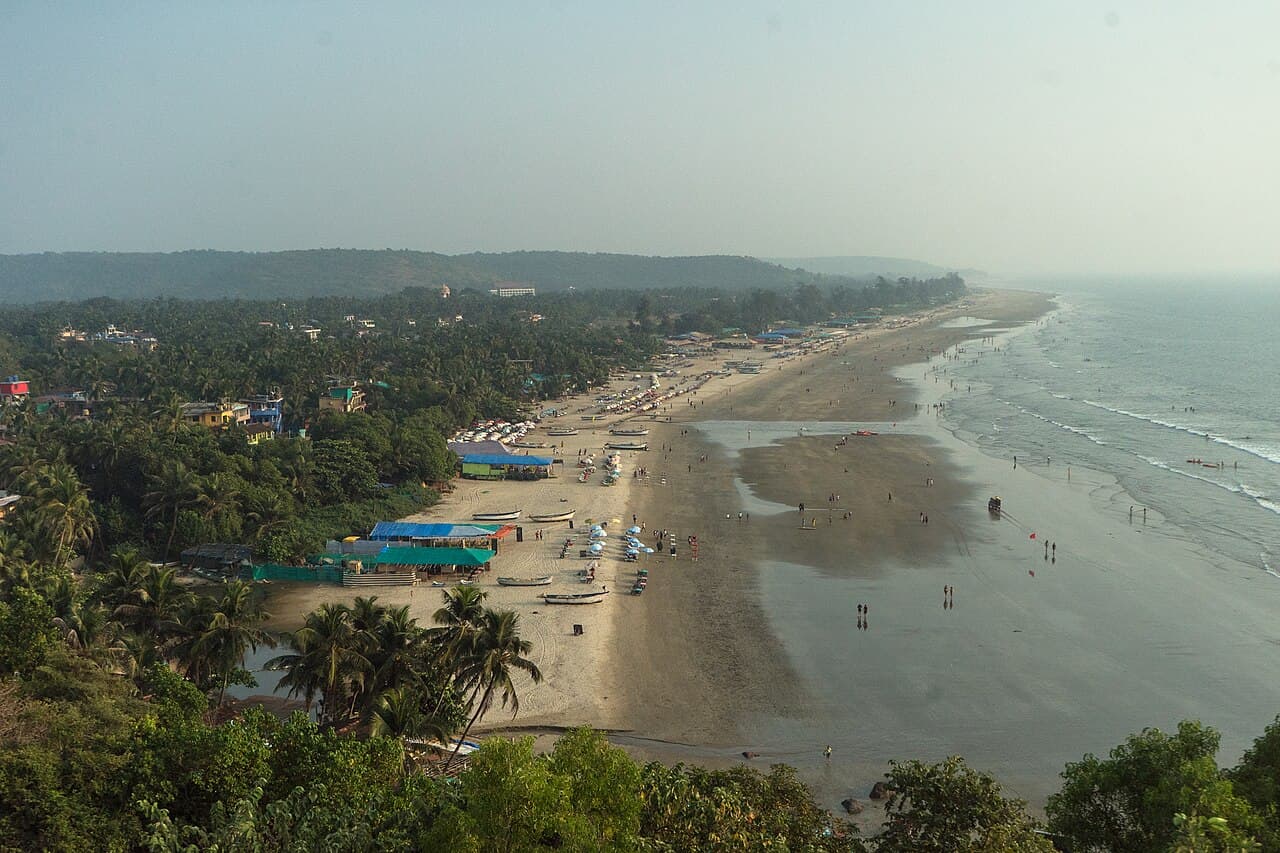
The cost is crowding. The coast is busy from November to February, and the stretch around Calangute and Baga is sometimes unpleasantly so, particularly over Christmas and New Year and again in May. Traffic through Calangute is slow for much of the day. The further north you go, towards Morjim, Mandrem and Arambol, the quieter it gets, though it is still a long way from empty.
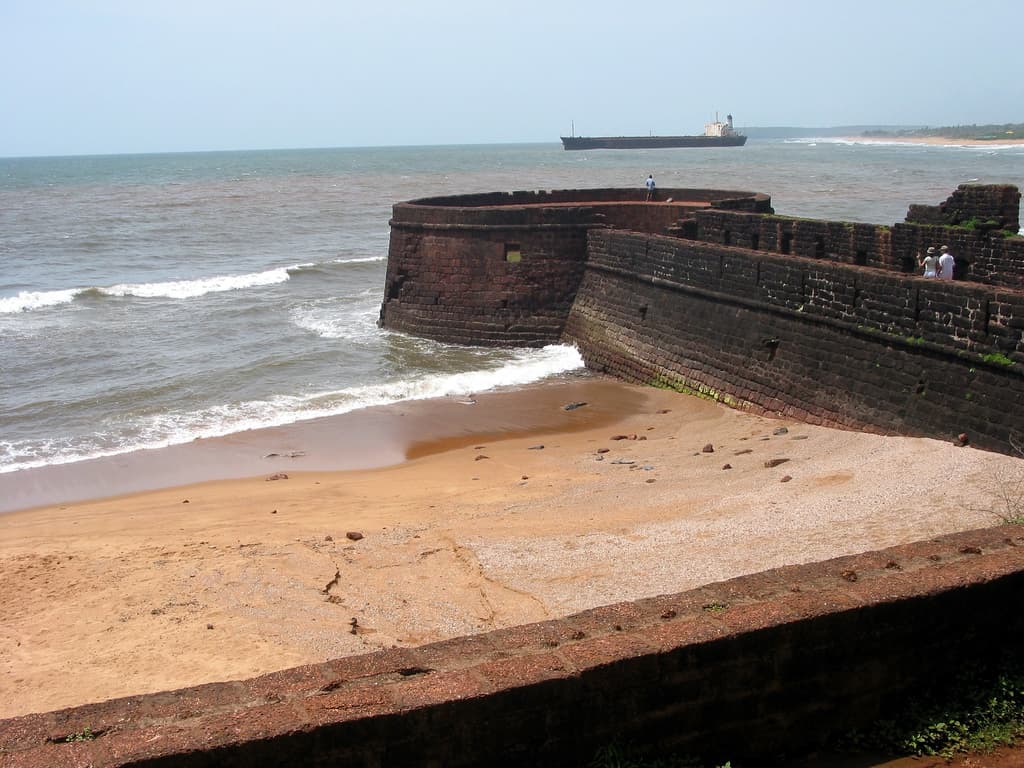
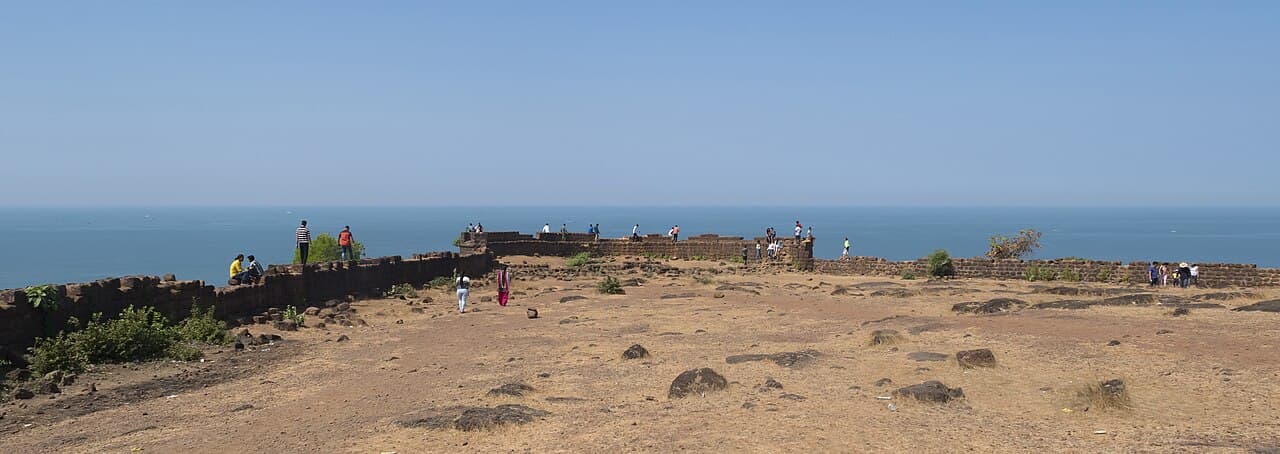
The north suits first-time visitors, groups of friends, people who want nightlife within reach, and anyone happy to ride a scooter between villages. It also puts you near the forts: Aguada at the southern end of Candolim and Chapora above Vagator.
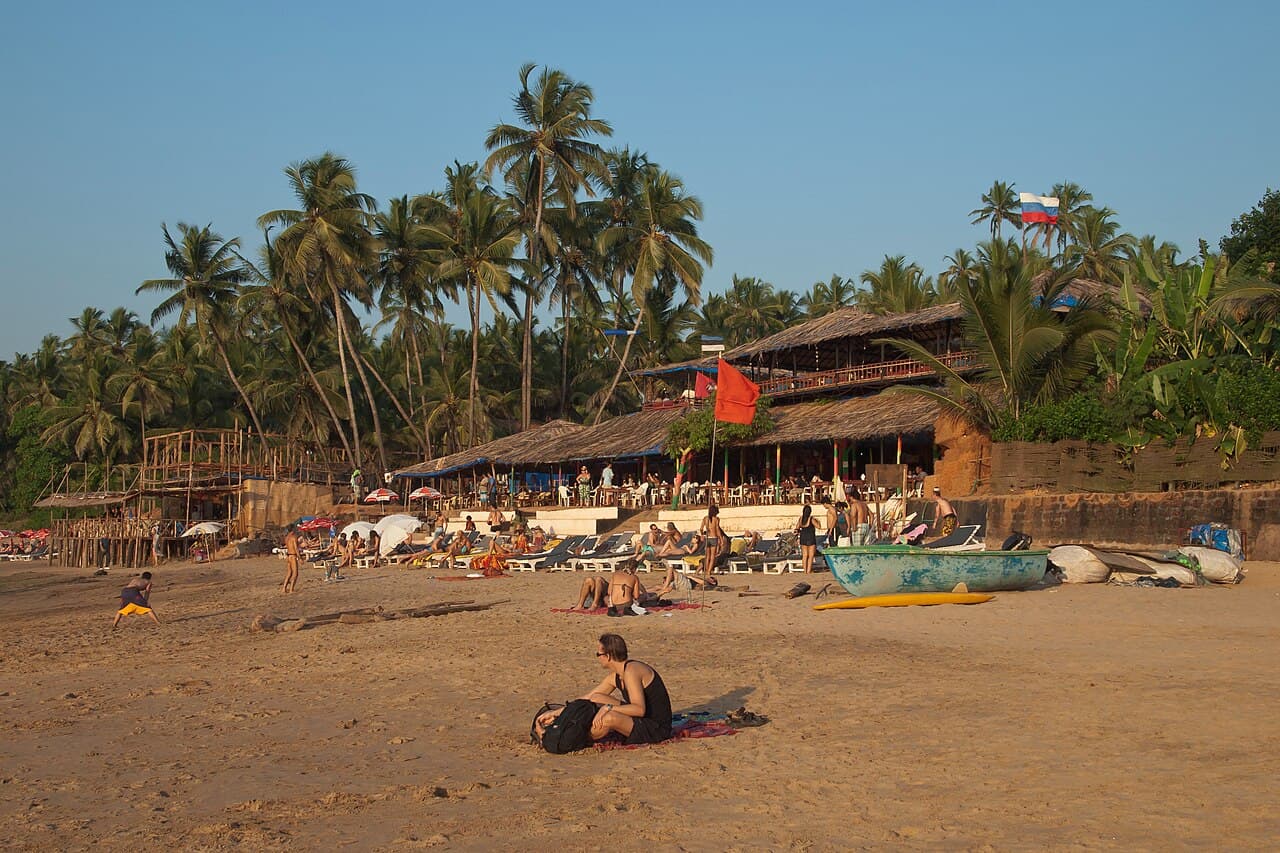
“It sometimes takes an hour or more just to reach from Candolim to Calangute. The roads are so crowded that driving is a problem, and it is only because infrastructure did not keep pace with the growth”
South Goa: wider, quieter, earlier nights
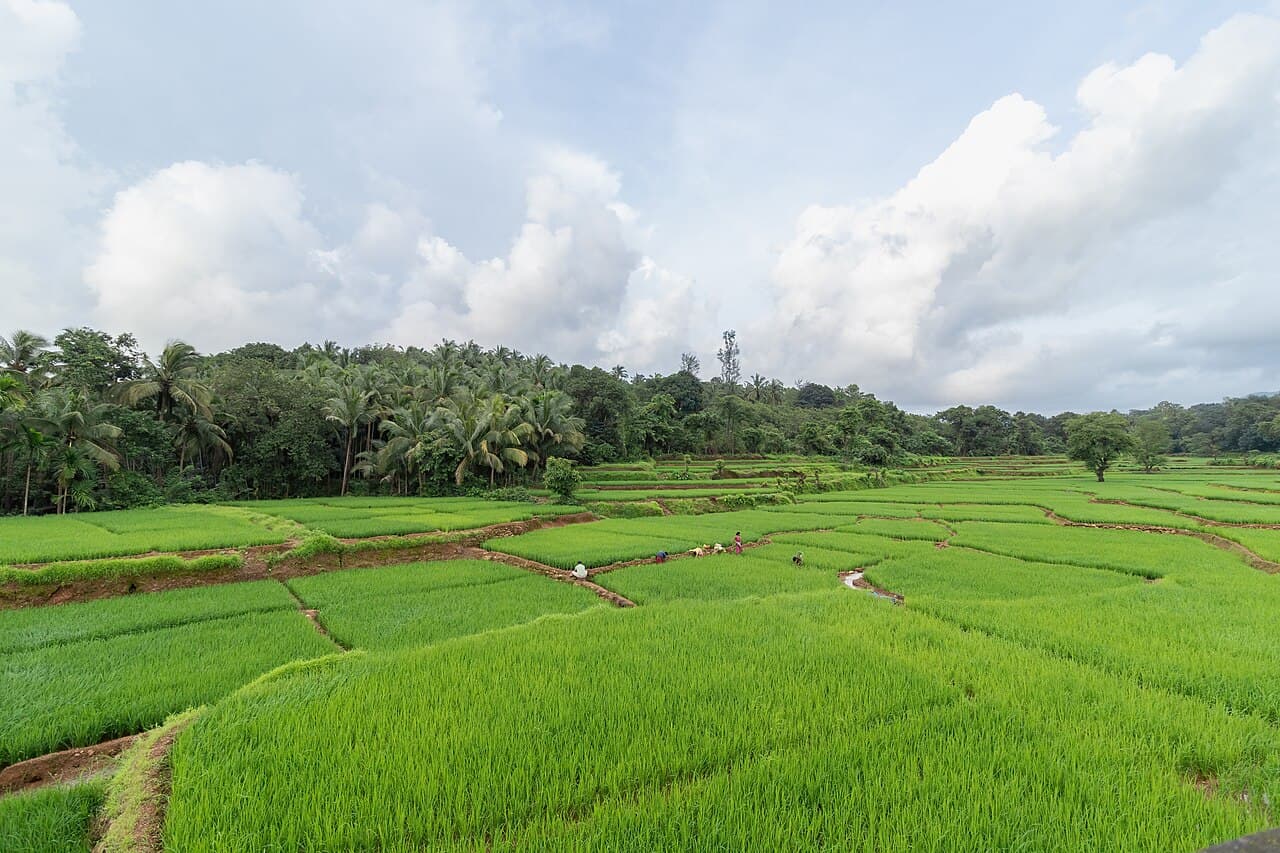
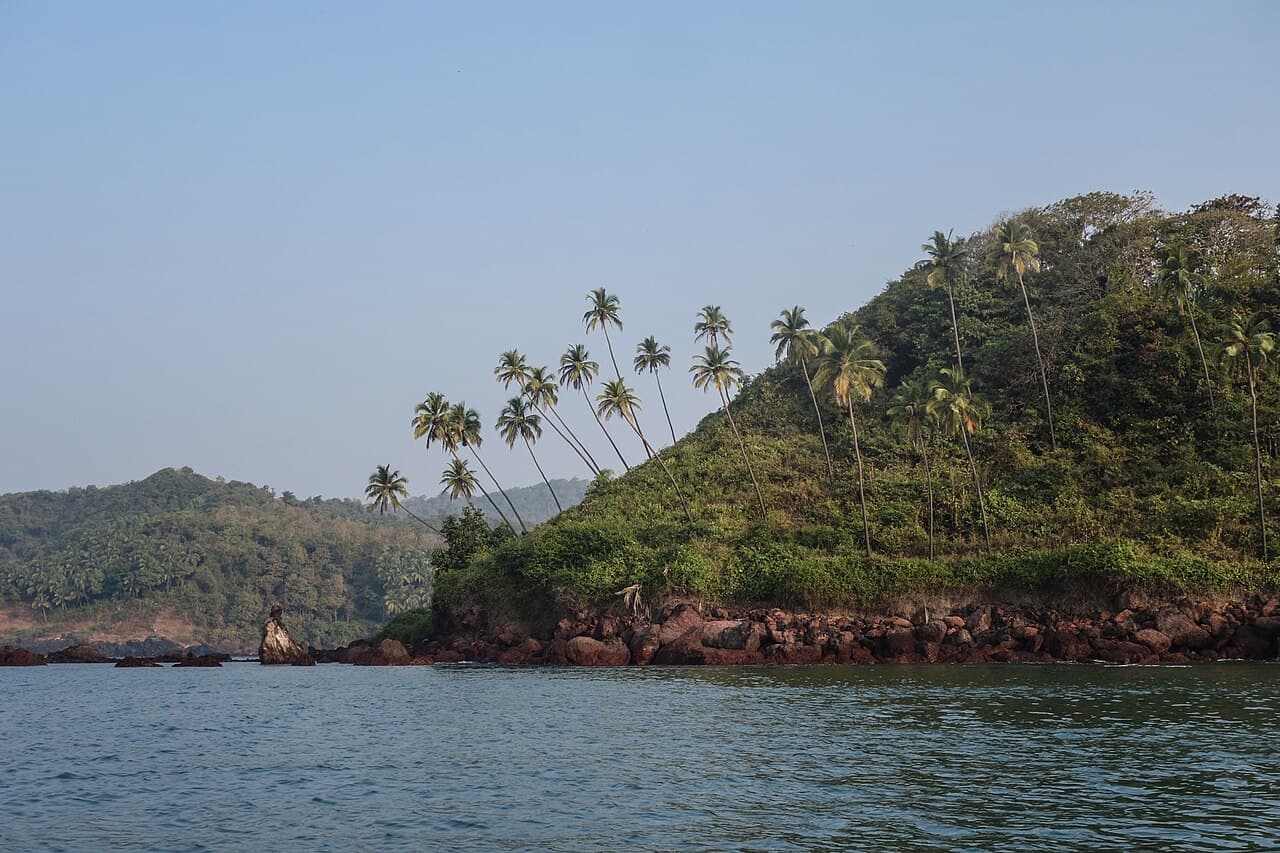
South Goa is Colva, Benaulim, Varca, Cavelossim, Agonda and Palolem. It is quieter, greener and more spread out. The beaches are wider and less built up, with paddy fields and coconut groves behind them rather than rows of shops, and evenings end earlier. Palolem is a curve of pale sand about a mile long between two headlands, and Agonda, just north of it, is quieter still.
What the south has less of is choice. There are fewer restaurants, fewer late nights and longer gaps between anything you might drive to. Distances are larger too: Palolem is about 67 km from Dabolim airport, so even the "nearby" things are a proper ride away.
The south suits families, couples, long stays, people who have done the north before, and anyone whose idea of a holiday does not involve a queue. It is also the easier base for Cotigao wildlife sanctuary and the quieter southern beaches.
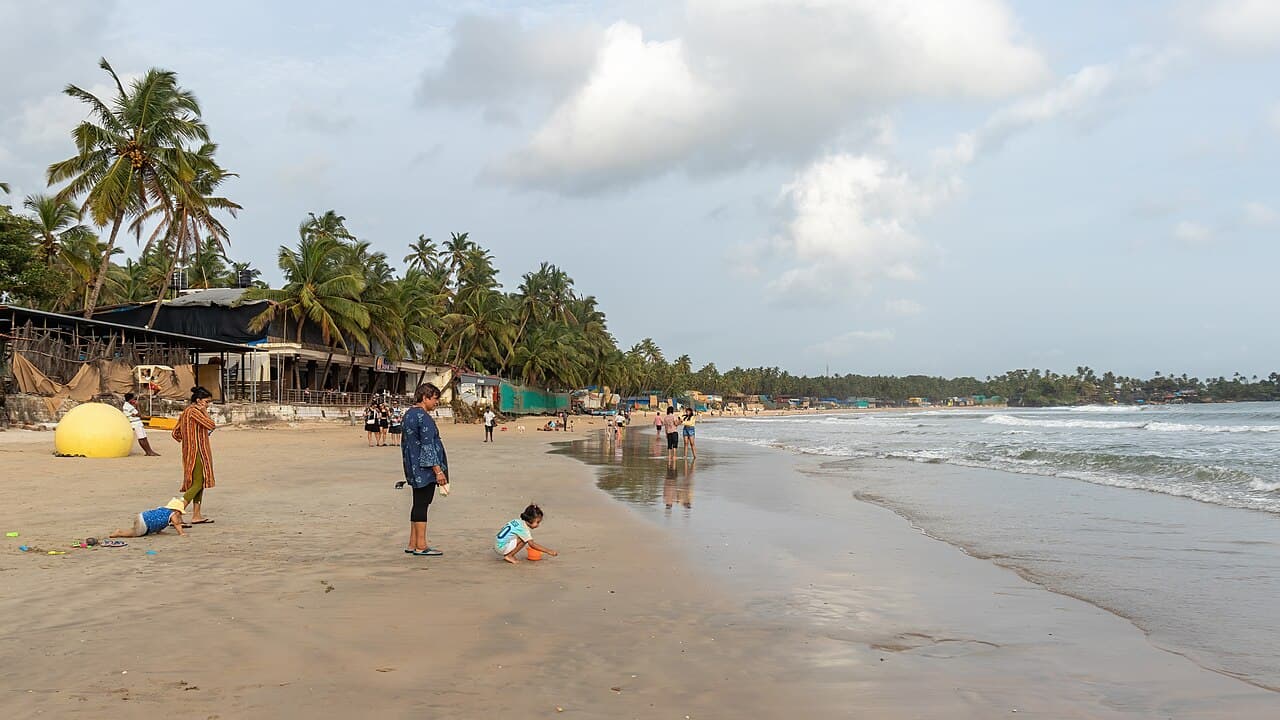
“It still is clean, and its beaches are still pristine. There are still many lush, green places in the south that one can travel past; the beaches are not littered and the road infrastructure is much better”
The side-by-side comparison
- Restaurants and nightlife: far more choice in the north, much of it in Assagao, Anjuna, Vagator and Baga.
- Beaches: wider and less built up in the south; busier, with more going on behind them, in the north.
- Crowds: heaviest around Calangute and Baga at Christmas, New Year and in May; lighter across most of the south.
- Getting around: a scooter covers a lot of the north in short hops; in the south the distances are longer.
- Nearest airport: Mopa for the north coast, Dabolim for the south.
- Best for: first trips and groups in the north; families, long stays and quiet in the south.
Which airport goes with which half
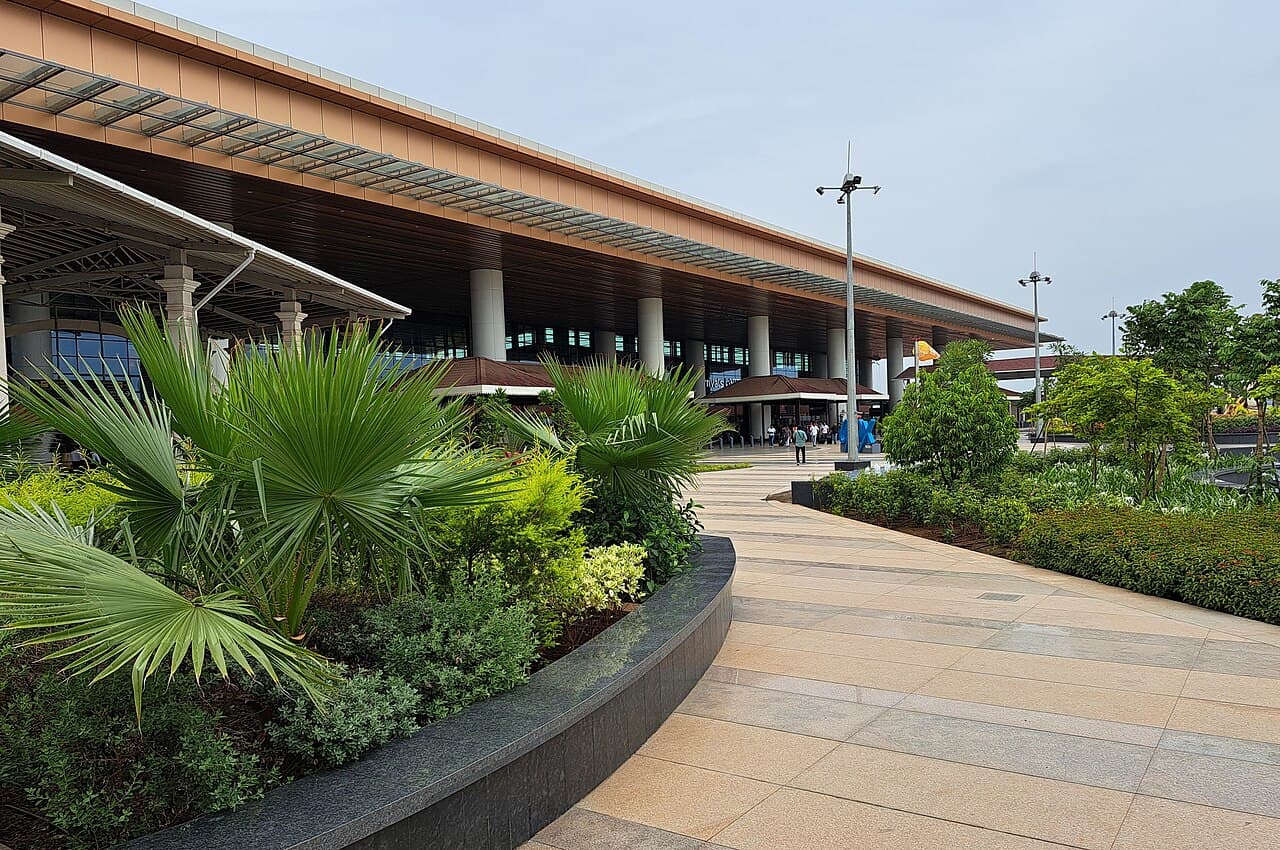
Goa has two working airports, and they line up neatly with the two halves. Mopa (GOX) is in Pernem taluka in the far north, so it suits Arambol, Mandrem, Morjim and Ashwem. Dabolim (GOI) is near Vasco da Gama in the south-centre, so it suits Colva, Benaulim, Cavelossim and further south. The two are about 50 km apart.
Check which one you are landing at before booking a stay at the other end, and read our guide to which Goa airport to fly into if you have a choice of flights. If you do end up landing at the far airport, book an airport pickup rather than looking for a taxi after a long flight.
What most people should do
The compromise most people should make: stay in the north, and give the south two nights rather than a day trip. A day trip means around six hours in a car for a few hours on the sand, and you arrive in the heat of the day and leave before the evening, which is the best part of the south.
On a week-long first trip, that looks like five nights in the north and two in the south, or the other way round if you care more about quiet than about restaurants. On a long stay of two weeks or more, split it evenly and move once. Avoid moving every two or three nights; the packing and the drive eat a day each time.
If you are staying in the south, plan one or two evenings in the north for the food and the markets, and consider breaking the drive in Panjim and Old Goa rather than doing it in one go.
When the choice matters less
In the monsoon, from June to September, the difference narrows. Beach shacks close, water sports stop and swimming in the sea is not allowed, so neither coast is a beach holiday. What is left is the green, the food and the old villages, and those are spread across the whole state. Our guide to Goa in the monsoon covers what is open.
The choice also matters less if you are mostly visiting the middle of the state: the Latin quarter in Panjim, the churches of Old Goa and the river island of Divar. They sit between the two coasts, so they are an easy day out from either, and closer to the north coast than to the far south.
“Goa has always been a preferred destination for tourists, known for its beautiful beaches, and we are known for our party life, more of a different culture. But Goa is much more than that…”
Frequently asked questions
Is North Goa or South Goa better for a first visit?
For most first visits, North Goa. It has far more restaurants, markets and nightlife within short rides of each other, and it is close to Mopa airport. Add two nights in the south if you can, rather than a day trip.
Is South Goa better for families?
Usually, yes. The beaches in the south are wider and less built up, the evenings are quieter and there are fewer crowds. Areas such as Varca, Cavelossim and Agonda are popular with families. The trade-off is fewer restaurants and longer drives.
How long does it take to drive from North Goa to South Goa?
From Arambol in the far north to Palolem in the far south is around three hours in traffic. Shorter hops, such as Candolim to Colva, take less, but most north to south journeys pass through busy towns and take longer than the distance suggests.
Can I do South Goa as a day trip from the north?
You can, but it is a poor use of a day. Around six hours of driving leaves a few hours in the middle of the day, when it is hottest. Two nights in the south is a much better way to see it.
Which is quieter at Christmas and New Year?
South Goa. The north, especially Calangute and Baga, is at its busiest over Christmas and New Year. The south is busier than usual too, but much less crowded, and the far north around Mandrem is also calmer than the Baga strip.
The Cocosnest team · facts checked September 2026. Timings, fees and venues change without notice, so confirm before a long drive. Sources: Goa Experience: North, Central and South Goa region guide, Wikipedia: Goa, Wikipedia: Calangute, Wikipedia: Palolem Beach, Drishti Marine via News Monks: monsoon advisory for the Goa coast, June to September.
Places in this guide

Reviews & comments
No comments yet. Be the first.
Reviews open soon.