 Coco's Nest
When to go 5 min readChecked September 2026
Goa in the monsoon: what is open, what closes, and is it worth it
June to September is the cheapest, greenest and emptiest Goa. It is also the one where half of what you planned is shut.
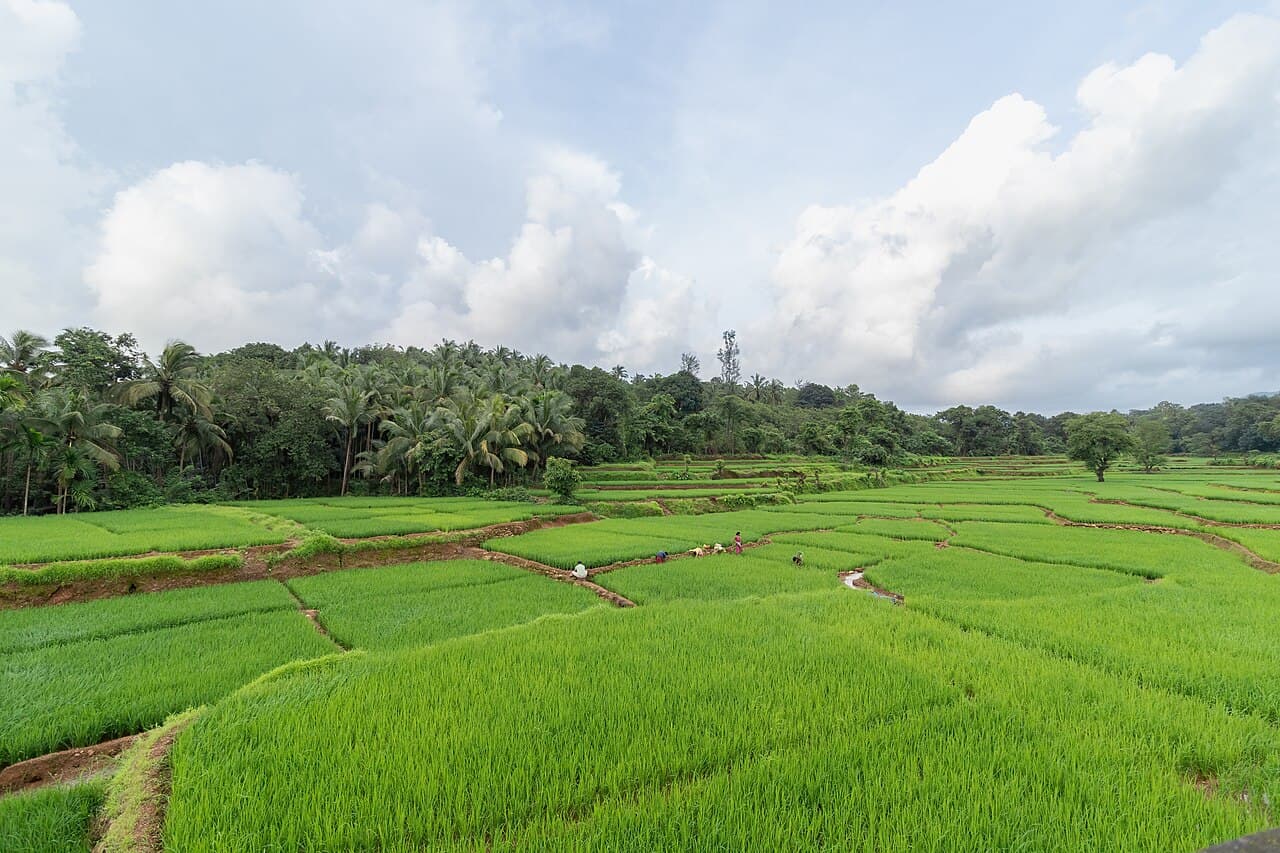
The rains reach Goa in June and mostly clear by late September, and more than 90 per cent of the state's rain falls in those four months. Goa gets around 3,000 mm a year, so the monsoon is not a few showers. It is days of heavy, steady rain with breaks of bright sun between them. Prices for stays fall sharply, the state turns a green it never is in December, and the beaches belong to almost nobody.
Whether that is a good holiday depends on what you came for. If it is the sea, the shacks and the nightlife, come between November and March. If it is the green, the food, the old villages and quiet, the monsoon is worth considering.
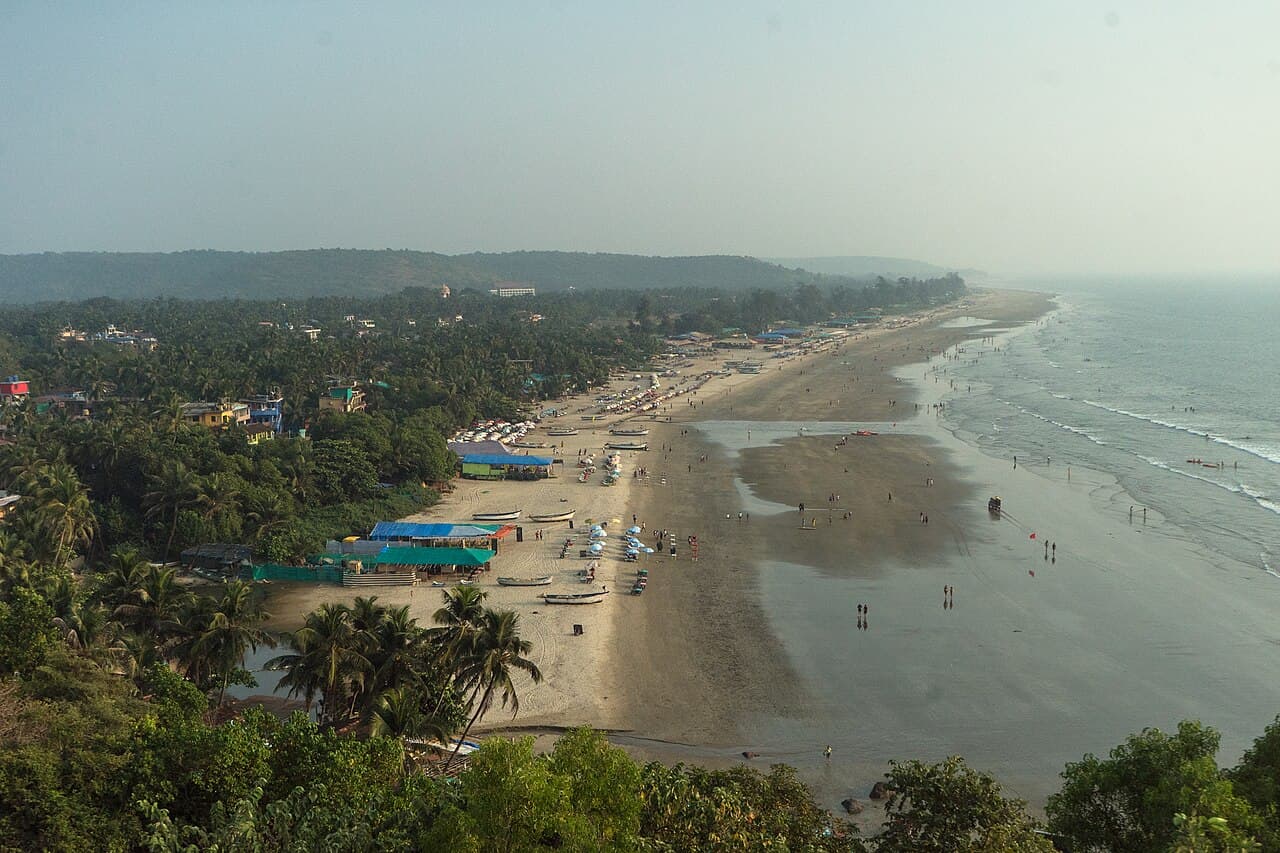
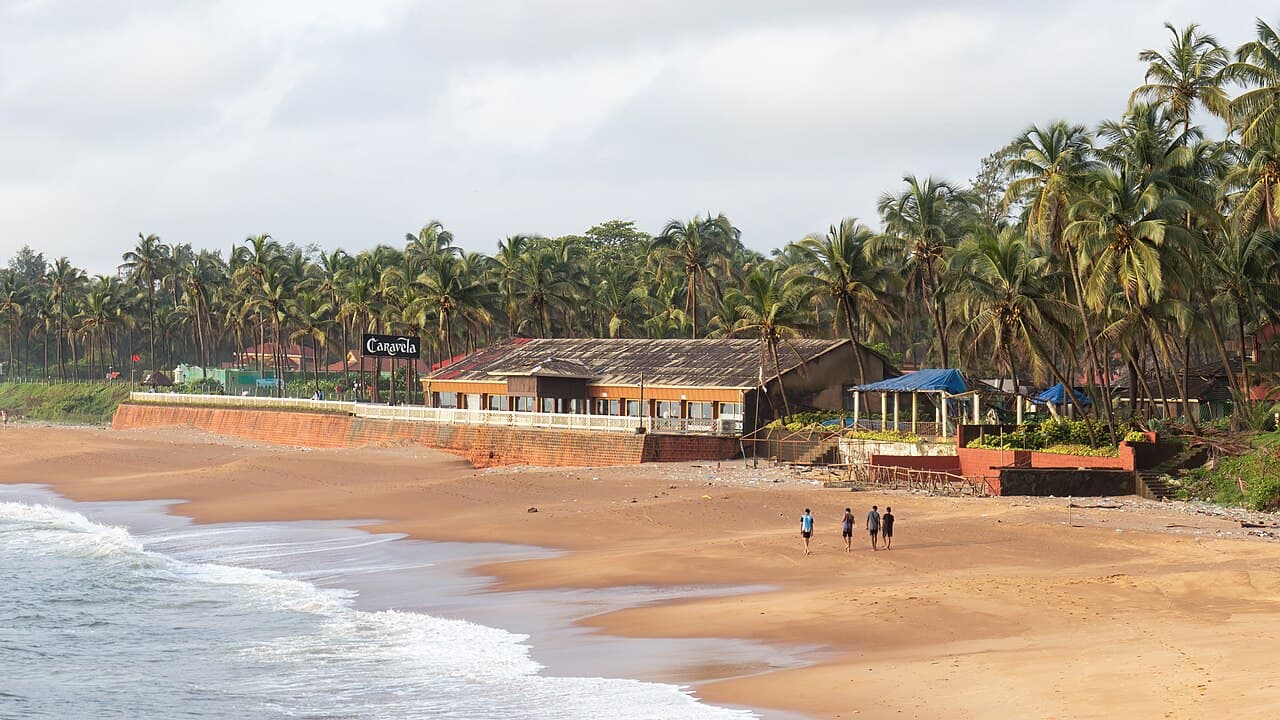
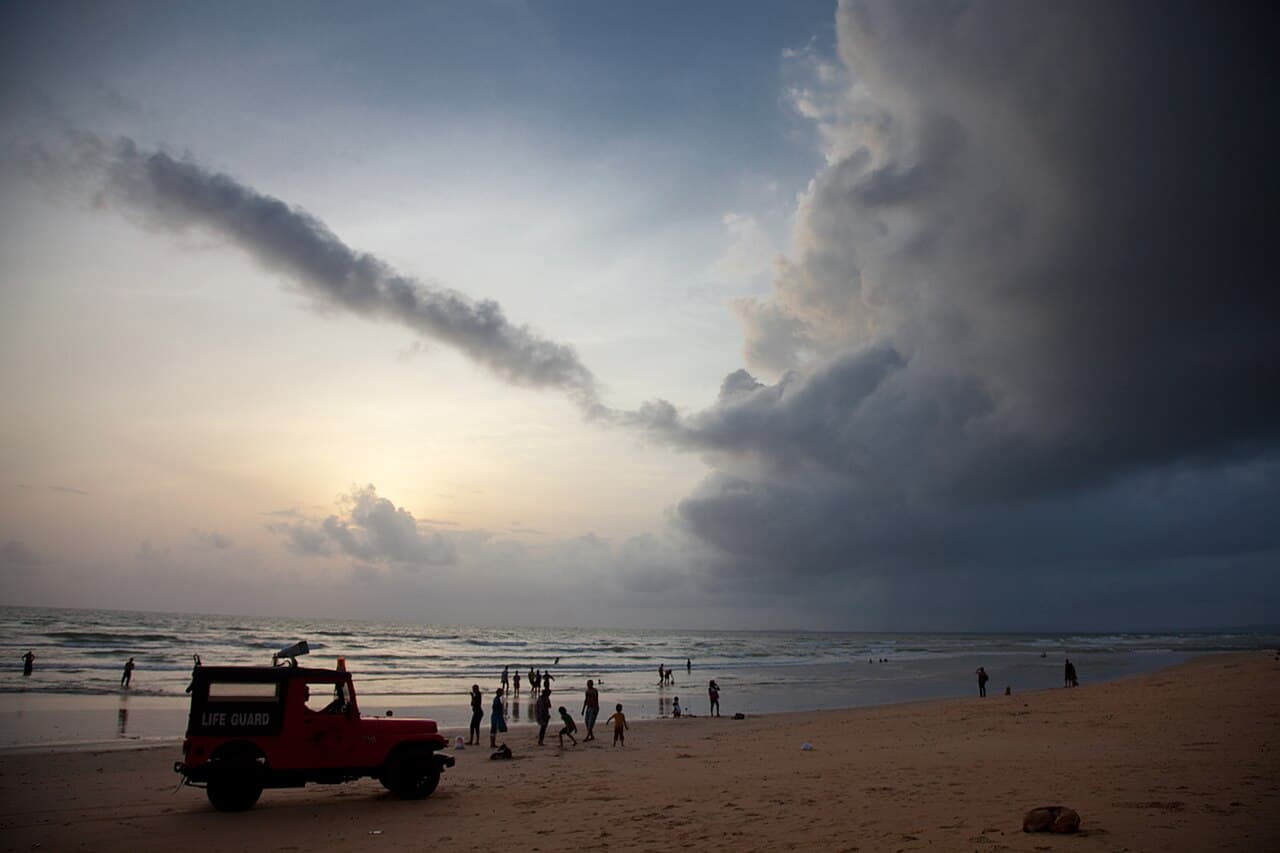
Do not go into the sea in the monsoon. Swimming is prohibited on Goa's beaches from June to September, red flags mark it, and the lifeguards advise staying at least 10 metres back from the waterline. People drown every year who ignored them.
What closes in the monsoon
Most of what makes Goa a beach holiday stops for the rains. The list is longer than many visitors expect:
- Beach shacks. They close before the rains and most are taken down, then rebuilt from around late September and October.
- Water sports on the beaches, including parasailing and jet skis, which are suspended for the monsoon.
- Swimming in the sea, which is prohibited on patrolled beaches.
- The Dudhsagar jeep safari from Kulem, which is suspended and usually reopens around October.
- Anjuna's Wednesday flea market and the other seasonal markets.
- Many North Goa restaurants, which take their annual break somewhere between June and September.
- Mechanised fishing, which is banned from 1 June to 31 July, so the catch on menus is smaller.
Established restaurants in Panjim and the larger villages are more likely to stay open than beach places. Check a restaurant's own page or call before you ride out; our list of restaurants to try in Goa notes which are seasonal.
“All waterfalls have been shut only for swimming activity. Nobody will be allowed to enter the water due to heavy rains,”
What is better in the rains
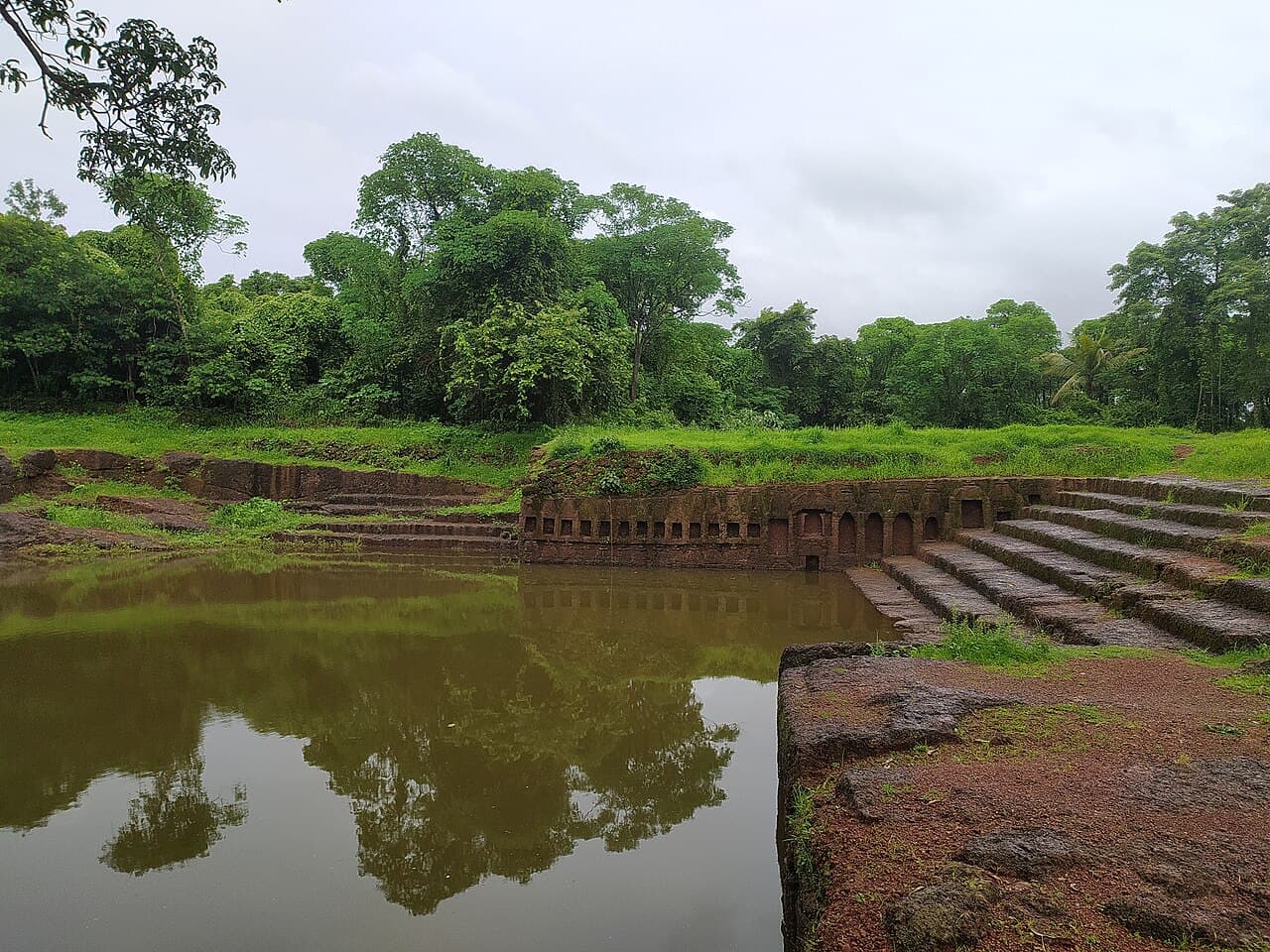
The paddy fields, first. In the rains the fields behind the coast and along the rivers are a bright, even green, and the countryside looks entirely different from the dry season. A slow ride or a walk through the villages behind Assagao, or across to the island of Divar, is the best of the monsoon.
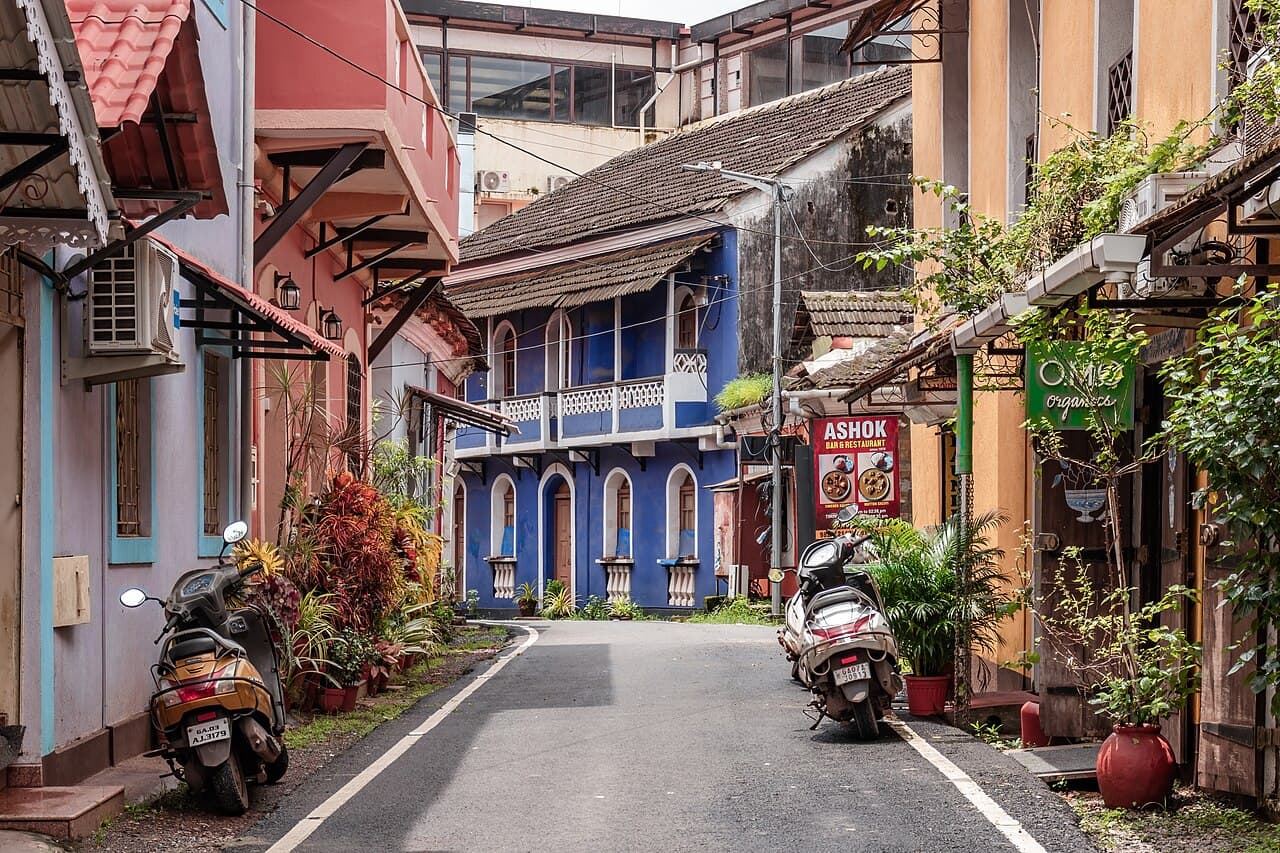
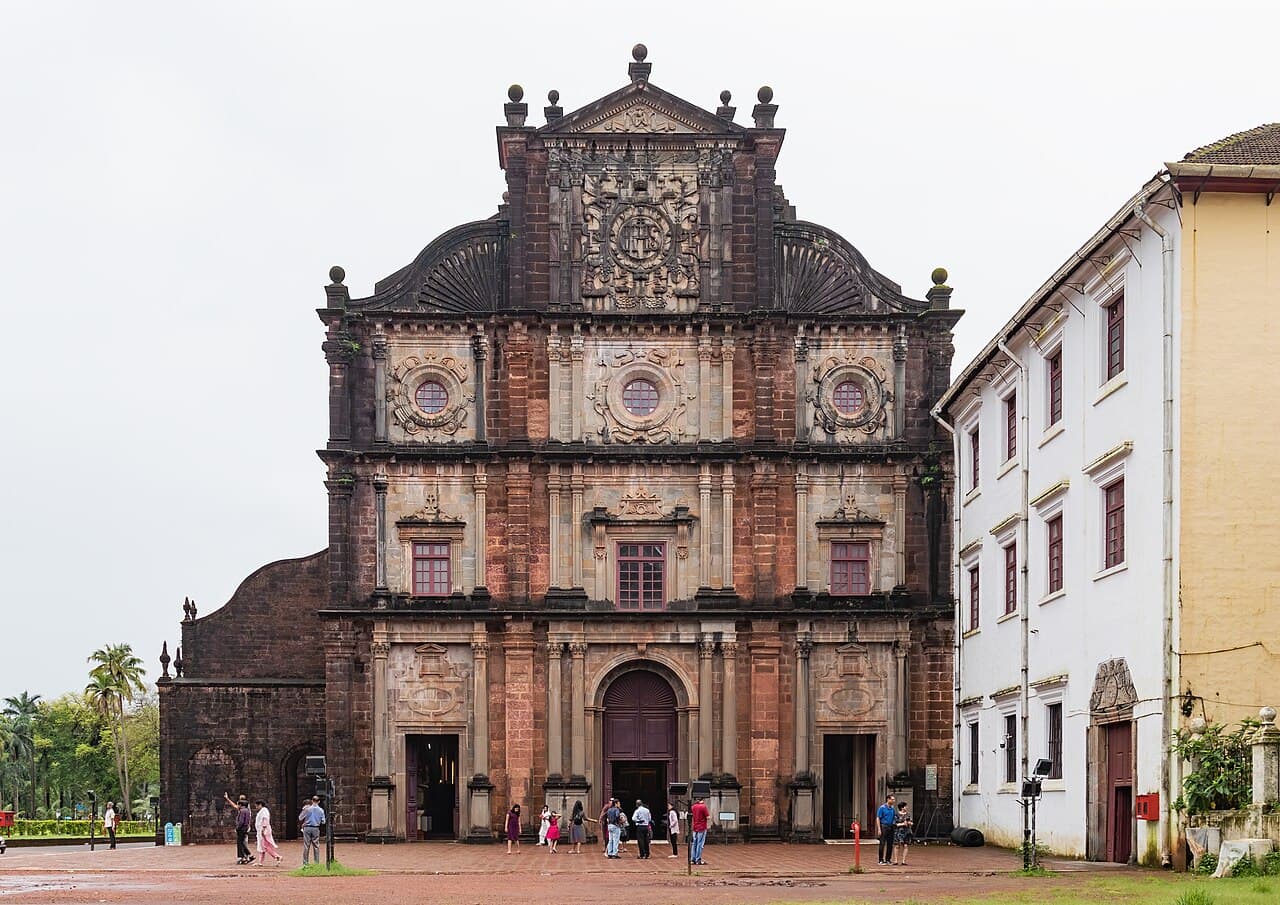
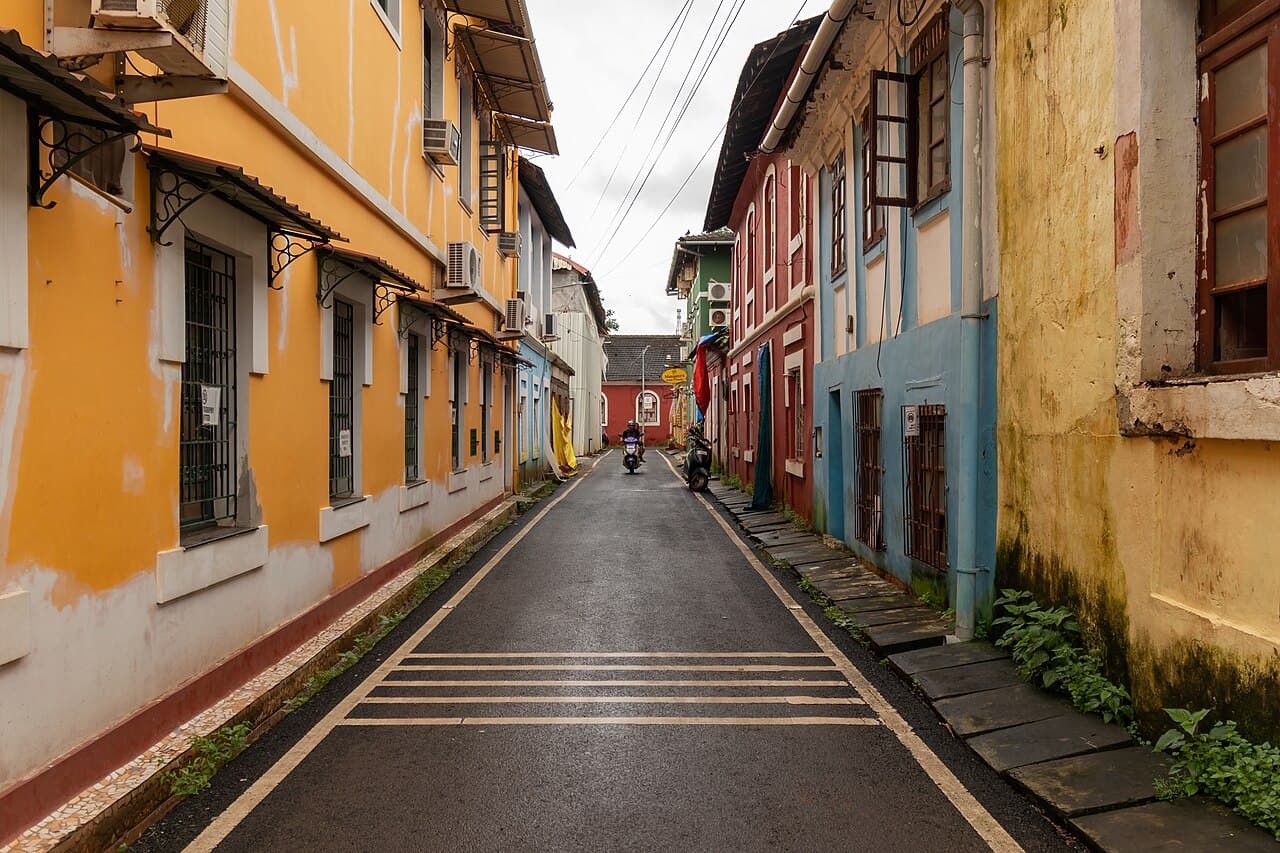
The old towns are much pleasanter without the heat. The churches of Old Goa and the lanes of Panjim's Latin quarter are good in the rain, and there are no queues. The government ferries are meant to run through the monsoon, though it is worth checking the last crossing before you go over.
The food is better in a particular way. The restaurants that stay open are cooking for locals rather than for a season, and a long lunch while the rain comes down is one of the pleasures of the monsoon. And the waterfalls inland run at full strength, though most of the famous ones are harder to reach.
Dudhsagar: fullest when it is closed
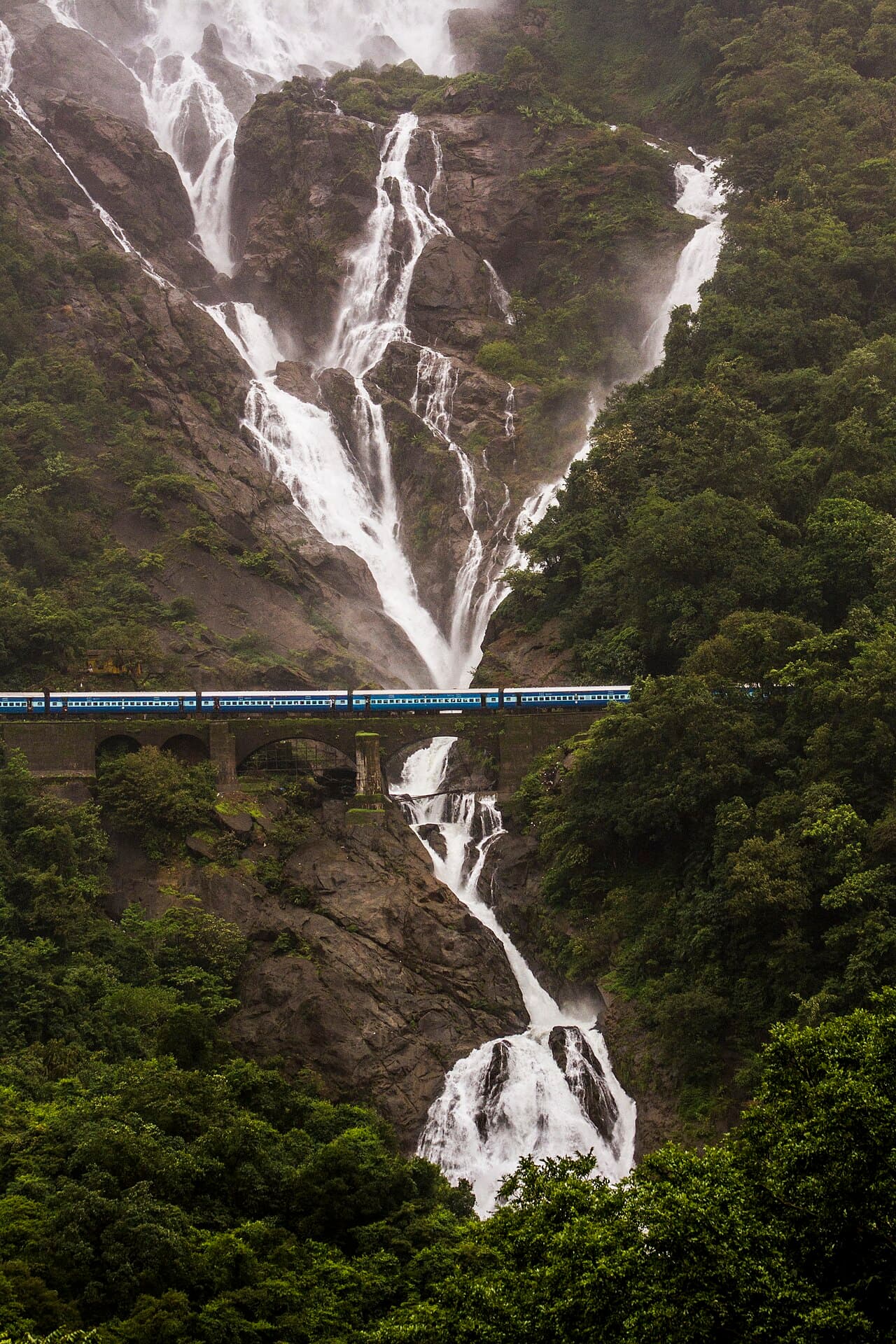
Dudhsagar is at its most dramatic in the rains, and it is also closed. The only permitted way in is the forest department jeep from Kulem; private vehicles are not allowed beyond it, and the jeep safari is suspended for the monsoon. It usually reopens around October, when the falls are still full.
In the rains you see it from the train or not at all. The Belagavi to Vasco da Gama railway line passes right in front of the falls, and trains that use that line give a view from the window. Do not try to walk to the falls along the tracks. The Goa forest department prohibits that route, trains do not stop there for passengers, and people are fined for it. Our page on Dudhsagar Falls has the details for visiting in season.
“The gates of Dudhsagar waterfall will remain closed to visitors. Please avoid venturing into other waterfalls as well, as they may pose significant risks due to strong currents, flash floods and slippery terrain,”
Monsoon festivals
Two festivals make the monsoon worth timing a trip around. São João, on 24 June, marks the feast of St John the Baptist. Young men wear crowns of leaves and flowers called kopels and jump into wells, ponds and streams, and in Siolim decorated boats parade on the river in front of the church. It is loud, wet and very local.
Bonderam, the festival of flags, is on the fourth Saturday of August on Divar island. It starts in the afternoon with a parade of floats, brass bands and fancy dress, and ends in dancing in the street. It is a good reason to take the ferry across.
Staying safe in the monsoon
The sea is the main danger. Waves are high and surges come without warning, even when the water looks calm. The state's lifeguard agency puts up red flags on beaches under its watch and asks people not even to wade in. Stay off the rocks, cliffs and headlands too, which become very slippery, and a wave can reach further up them than it looks.
On land, roads flood in heavy rain, potholes open up quickly and visibility drops, so riding a scooter in a downpour is miserable and unsafe. If you have rented one, read our scooter guide and plan rides for the dry spells. Power cuts are common in Goa at any time of year, and storms bring down lines, so ask your host whether the house has an inverter or a generator.
“The sea can appear calm one moment and become dangerous the next during the monsoon. Strong currents, tall waves and changing weather conditions make even shallow waters unsafe. We urge everyone to respect the red flags and avoid entering the sea altogether.”
When to come, and what to pack
Late September is the sweet spot: the green of the monsoon, most things reopening, and none of the December crowd or the December prices. Earlier in the season, expect days when it barely stops raining, and plan each day around the weather rather than the other way round.
- A proper rain jacket or a large umbrella, rather than a light cagoule.
- Sandals or shoes that can get wet, and quick-drying clothes.
- Zip bags or a dry bag for your phone and documents.
- Insect repellent, since the rains bring mosquitoes.
- A power bank, for when the electricity goes.
Choose where you stay with the weather in mind. A house with covered outdoor space, good drainage and a road a car can reach in the rain is worth more in July than a sea view. Our guide to what to ask your host before you arrive covers the questions that matter most in the monsoon.
Frequently asked questions
Is it worth visiting Goa in the monsoon?
It is, if you want green countryside, quiet, food and old villages rather than the beach. Stays are much cheaper and there are few crowds. It is not worth it if you want to swim, go to beach shacks or party, since those are closed or stopped for the rains.
Can you swim in Goa during the monsoon?
No. Swimming in the sea is prohibited on Goa's beaches from June to September. Red flags are posted and lifeguards ask visitors to stay at least 10 metres from the waterline. Sudden surges pull people into deep water every year.
Are beach shacks open in the monsoon?
No. Beach shacks close before the rains and most are taken down, then rebuilt from around late September and October. Beachside restaurants and bars that depend on them also close.
Can you visit Dudhsagar Falls in the monsoon?
Not by road. The forest department jeep safari from Kulem, which is the only permitted way in, is suspended in the monsoon and usually reopens around October. You can see the falls from trains on the Belagavi to Vasco line. Walking along the railway tracks is prohibited.
What is the best month to visit Goa for the monsoon?
Late September is the best balance: the countryside is still green, the heaviest rain is usually over, and shacks and restaurants begin reopening. For festivals, São João is on 24 June and Bonderam on Divar is on the fourth Saturday of August.
Is seafood available during the monsoon fishing ban?
Yes, but less of it. Goa bans mechanised fishing from 1 June to 31 July so fish can breed. Small traditional boats are exempt, so there is still fresh fish, but the choice is smaller and prices are higher.
The Cocosnest team · facts checked September 2026. Timings, fees and venues change without notice, so confirm before a long drive. Sources: Wikipedia: Goa (climate), News Monks: Drishti issues advisory for the Goa coast for June to September (June 2022), The Goan: 61-day fishing ban notified from June 1 (May 2025), O Heraldo: Ferry services to continue during monsoon (May 2026), Outlook Traveller: Dudhsagar waterfall reopens for visitors, Wikipedia: Dudhsagar Falls, GTDC: São João, Outlook Traveller: All you need to know about Goa's Bonderam festival, The Goan: Goa bears brunt of abrupt power cuts (June 2026).
Places in this guide
Reviews & comments
No comments yet. Be the first.
Reviews open soon.